
Categories
Home Seller, Home Buyer, InvestorPublished June 4, 2026
Hurricane Preparedness for Florida Homeowners: What Every Sarasota Resident Should Know

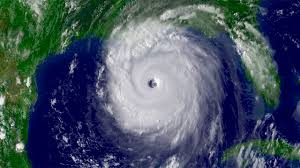
🌪️ Hurricane Preparedness for Florida Homeowners: What Every Sarasota Resident Should Know
Hurricane season in Florida runs from June 1 through November 30, and preparing your home early is one of the most important things you can do as a Sarasota or Manatee County homeowner. Hurricanes bring powerful winds, heavy rain, storm surge and flooding — but advance planning dramatically reduces risk to your property and family.
Below are essential steps every Florida homeowner should take to protect their investment and stay safe throughout hurricane season.
🛠️ 1. Secure Your Home’s Structural Defenses
Start by reinforcing key parts of your home:
- Impact‑resistant doors and windows or hurricane shutters
- Roof and garage door reinforcement
- Trim trees and remove loose debris from the yard
Florida building codes recommend strengthening the exterior of your home where wind and debris can enter — especially roofs, windows, doors and garage doors — to slow or prevent damage during high winds.
🌊 2. Review & Update Your Insurance Policies
Standard homeowners insurance does not cover flood damage, and flood insurance must be purchased through FEMA’s National Flood Insurance Program (NFIP) or a private provider.
When updating your coverage:
- Confirm your windstorm and flood policies are up to date
- Review your coverage limits on dwelling and personal property
- Add “additional living expense” coverage in case your home becomes temporarily uninhabitable
Because flood insurance typically has a 30‑day waiting period, don’t wait until a storm is nearby to review or purchase coverage.
📍 3. Know Your Flood Zone & Evacuation Plan
Check whether your home is in an evacuation or flood zone and understand local evacuation routes. Evacuation zones can change, and knowing yours ahead of time could save critical minutes if local officials issue a mandatory order.
Local emergency systems like Alert Sarasota County can send official storm and evacuation updates via text, email, or phone — sign up before a storm threatens.
📦 4. Build an Emergency Kit & Plan
Prepare for potential power outages and sheltering in place. Your kit should include:
- Water (1 gallon per person/day)
- Non‑perishable food and manual can opener
- Flashlights, batteries, portable chargers
- First‑aid kit and prescription medications
- Copies of important documents (insurance, deed, ID)
FEMA and local emergency agencies recommend planning for at least 7 days without power or services.
🧯 5. Protect Against Flooding
Flood waters from heavy rain and storm surge can cause extensive damage. Even if you’re outside a high‑risk flood zone, consider flood insurance — flooding can and does occur beyond designated zones.
Simple measures like improving drainage around your home and elevating outdoor equipment can limit water damage during heavy storms.
📞 Stay Prepared — and Ask For Help
Hurricane season doesn’t wait — and neither should your preparation. Whether you need contractor referrals for home hardening, licensed experts for roofing and shutters, or trusted insurance professionals, or a Hurricane Home Maintenance Checklist - The Furlan Group can help you connect with the right resources.
🌪️ Hurricane Preparedness for Florida Homeowners: What Every Sarasota Resident Should Know
Hurricane season in Florida runs from June 1 through November 30, and preparing your home early is one of the most important things you can do as a Sarasota or Manatee County homeowner. Hurricanes bring powerful winds, heavy rain, storm surge and flooding — but advance planning dramatically reduces risk to your property and family.
Below are essential steps every Florida homeowner should take to protect their investment and stay safe throughout hurricane season.
🛠️ 1. Secure Your Home’s Structural Defenses
Start by reinforcing key parts of your home:
- Impact‑resistant doors and windows or hurricane shutters
- Roof and garage door reinforcement
- Trim trees and remove loose debris from the yard
Florida building codes recommend strengthening the exterior of your home where wind and debris can enter — especially roofs, windows, doors and garage doors — to slow or prevent damage during high winds.
🌊 2. Review & Update Your Insurance Policies
Standard homeowners insurance does not cover flood damage, and flood insurance must be purchased through FEMA’s National Flood Insurance Program (NFIP) or a private provider.
When updating your coverage:
- Confirm your windstorm and flood policies are up to date
- Review your coverage limits on dwelling and personal property
- Add “additional living expense” coverage in case your home becomes temporarily uninhabitable
Because flood insurance typically has a 30‑day waiting period, don’t wait until a storm is nearby to review or purchase coverage.
📍 3. Know Your Flood Zone & Evacuation Plan
Check whether your home is in an evacuation or flood zone and understand local evacuation routes. Evacuation zones can change, and knowing yours ahead of time could save critical minutes if local officials issue a mandatory order.
Local emergency systems like Alert Sarasota County can send official storm and evacuation updates via text, email, or phone — sign up before a storm threatens.
📦 4. Build an Emergency Kit & Plan
Prepare for potential power outages and sheltering in place. Your kit should include:
- Water (1 gallon per person/day)
- Non‑perishable food and manual can opener
- Flashlights, batteries, portable chargers
- First‑aid kit and prescription medications
- Copies of important documents (insurance, deed, ID)
FEMA and local emergency agencies recommend planning for at least 7 days without power or services.
🧯 5. Protect Against Flooding
Flood waters from heavy rain and storm surge can cause extensive damage. Even if you’re outside a high‑risk flood zone, consider flood insurance — flooding can and does occur beyond designated zones.
Simple measures like improving drainage around your home and elevating outdoor equipment can limit water damage during heavy storms.
📞 Stay Prepared — and Ask For Help
Hurricane season doesn’t wait — and neither should your preparation. Whether you need contractor referrals for home hardening, licensed experts for roofing and shutters, or trusted insurance professionals, or a Hurricane Home Maintenance Checklist - The Furlan Group can help you connect with the right resources.
Brandi Furlan
realtor | The Furlan Group | Keller Williams Coastal Living III
or another way