
Categories
Investor, Home BuyerPublished October 15, 2026
Long-Term Rental vs. Vacation Rental in Sarasota: What Investors Need to Know

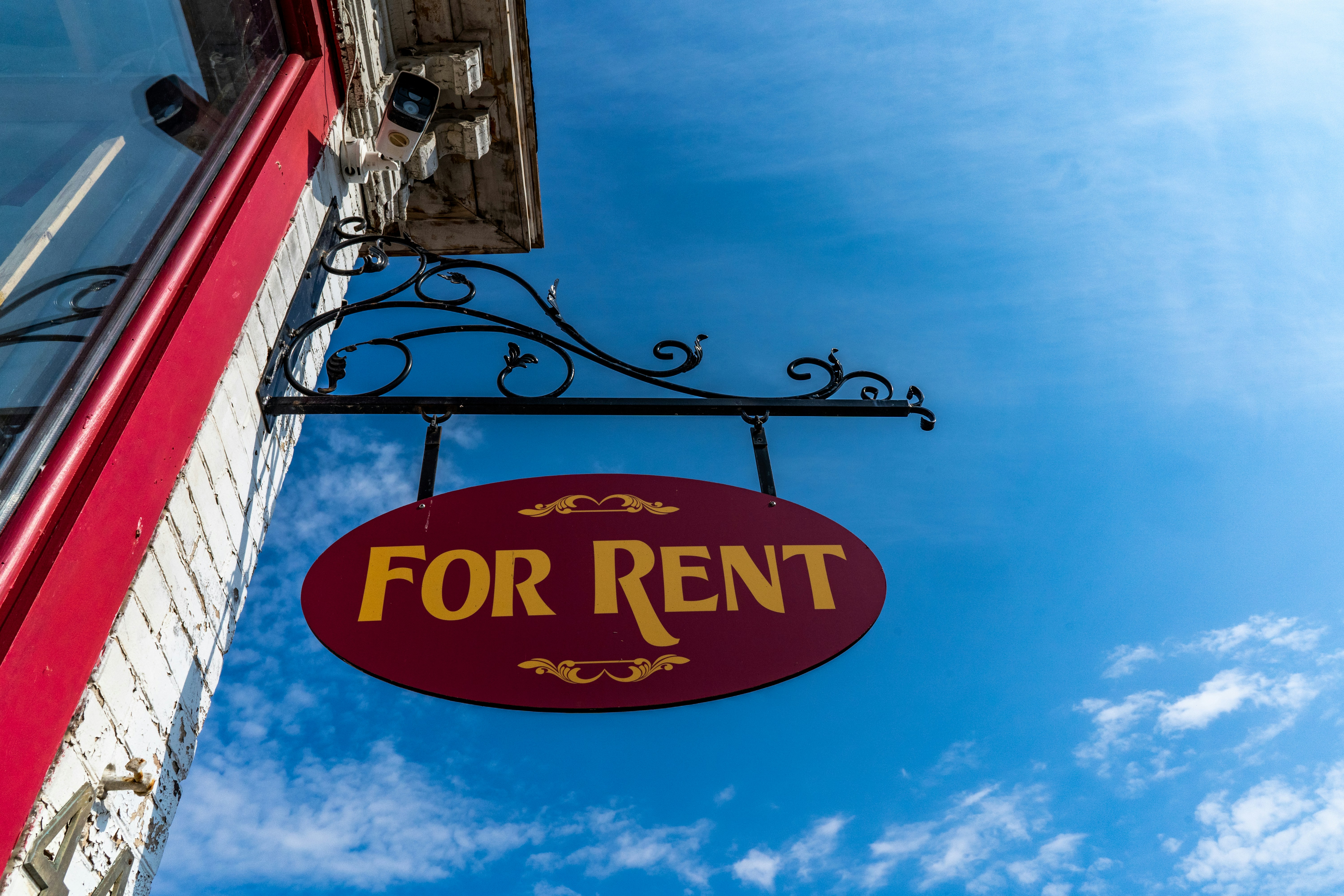
Long-Term Rental vs. Vacation Rental in Sarasota: What Investors Need to Know
Sarasota continues to attract real estate investors looking for opportunities in one of Florida's most desirable coastal markets. With beautiful beaches, a thriving downtown, strong tourism, and year-round demand for housing, Sarasota offers several possibilities for rental property investors.
But there is an important distinction investors need to understand before purchasing a property specifically for rental income:
The rental rules can be very different depending on whether the property is located within Sarasota County or within the City of Sarasota.
If you're deciding between a long-term rental and a vacation rental, understanding those regulations—and choosing the right property—is essential.
Long-Term Rentals in Sarasota
Long-term rentals are generally leased to tenants for an extended period, often 12 months or longer. For investors, this strategy can provide more predictable monthly income and less tenant turnover than a vacation rental.
Long-term rentals can be attractive throughout Sarasota and Manatee Counties, particularly in areas close to employment centers, shopping, medical facilities, schools, restaurants, and everyday conveniences.
For investors who prefer a more hands-off approach, a long-term rental may also require less day-to-day management. There are typically fewer turnovers, fewer cleanings, and less frequent communication with tenants compared with a vacation rental.
Vacation Rentals: Sarasota County vs. City of Sarasota
This is where location becomes especially important.
In Sarasota County, properties outside the City of Sarasota generally have a minimum rental period of 30 days. In other words, investors looking for a traditional weekly vacation rental generally cannot operate that type of rental in unincorporated Sarasota County.
Within the City of Sarasota, weekly rentals may be permitted in certain properties and zoning areas. However, that does not mean every property inside the city can automatically be rented by the week.
Zoning, property type, condominium or homeowners association rules, and other regulations can all affect whether a particular property qualifies for short-term rentals.
For an investor, this distinction can make a significant difference in the potential rental strategy and financial projections.
Why This Matters When Buying an Investment Property
Imagine you're comparing two condos that look very similar on paper.
One is located in Sarasota County and is subject to a 30-day minimum rental period. The other is located within the City of Sarasota and may allow weekly rentals.
The second property could potentially have a very different income model because the owner may be able to rent it for shorter stays, depending on the property's specific restrictions.
That's why you should determine the property's exact rental rules before purchasing—not after.
Long-Term Rental vs. Vacation Rental
| Factor | Long-Term Rental | Vacation Rental |
|---|---|---|
| Typical tenant stay | 12+ months | Shorter stays |
| Income | Generally more predictable | Can fluctuate with demand |
| Turnover | Lower | Higher |
| Management | Generally less intensive | More hands-on |
| Furnishings | Often unfurnished | Usually furnished |
| Cleaning | Infrequent | Frequent |
| Seasonality | Less affected | Can be significant |
| Potential rental rate | Generally lower | Potentially higher |
| Sarasota County | Common strategy | 30-day minimum generally applies |
| City of Sarasota | Common strategy | Weekly rentals may be permitted depending on property/zoning |
Location Can Make or Break the Investment
When evaluating an investment property in Sarasota, where the property is located can be just as important as the property itself.
Beach-area properties, downtown condos, and properties close to Sarasota's attractions may have strong appeal to vacation renters. Meanwhile, homes and condos located near employment centers, medical facilities, shopping, and other everyday amenities may be better suited to long-term tenants.
But investors should never assume that proximity to the beach automatically means a property can be used as a short-term rental.
A condominium association, HOA, or community may impose rental restrictions that are stricter than the local government's requirements.
For example, a property might technically qualify for a particular rental period under local regulations but still have association rules requiring a minimum lease term.
The property's location, zoning, and governing documents all need to be reviewed before you purchase.
The Numbers Matter More Than the Nightly Rate
Vacation rentals can appear especially attractive when you look at a nightly rate.
For example, $250 per night sounds impressive compared with a $2,500 monthly long-term lease. But the nightly rate doesn't tell you how many nights the property will actually be occupied—or how much it costs to operate the rental.
Vacation-rental expenses can include:
- Property management
- Cleaning
- Utilities
- Internet
- Furnishings
- Maintenance
- Insurance
- HOA or condo fees
- Marketing and booking fees
- Taxes
- Vacancy
Long-term rentals have expenses as well, including property management, maintenance, insurance, property taxes, HOA or condo fees, and periods of vacancy.
The best investment isn't necessarily the property with the highest potential gross rent. It's the property that makes sense after all of the expenses and restrictions are considered.
Sarasota's Seasonal Rental Market
Sarasota's popularity as a vacation destination means rental demand can vary throughout the year.
The winter and spring seasons can bring significant visitor demand, while other times of the year may have different occupancy patterns.
That seasonality can be an advantage for a well-positioned vacation rental, but it also means investors need realistic projections.
If you're considering a vacation rental, ask:
What is the realistic annual occupancy—not just the peak-season rate?
That's a much more useful number when determining whether an investment property makes financial sense.
Which Rental Strategy Is Right for You?
A long-term rental may be a good fit if your priorities include predictable income, lower turnover, and less day-to-day management.
A vacation rental may appeal to investors who want the potential for higher gross rental income and greater flexibility, particularly when the property is located in an area where shorter rental periods are permitted.
And in Sarasota, the location of the property can determine which strategy is even available to you.
That's why rental restrictions should be part of your property search from day one.
Work With a Local Sarasota Investment Real Estate Team
Buying an investment property requires more than finding a property in a desirable neighborhood.
You need to understand the property's location, rental restrictions, HOA or condo rules, potential rental income, operating expenses, insurance, taxes, financing, and long-term investment potential.
The Furlan Group specializes in helping buyers throughout Sarasota and Manatee Counties navigate the local real estate market. Whether you're looking for a long-term rental, vacation rental, second home, or investment property, our team can help you identify properties that align with your goals and understand the factors that could affect your investment.
At the Furlan Group, we believe your home, your dream, our commitment applies to investment properties, too.
Thinking About Investing in Sarasota Real Estate?
Before you purchase a property with the intention of renting it, make sure you understand the rental rules that apply to that specific property.
The Furlan Group is here to help you evaluate Sarasota and Manatee County investment opportunities and find a property that fits your strategy.
Rental regulations can change, and additional restrictions may apply based on zoning, property type, HOA or condominium documents, and other applicable regulations. Investors should verify current requirements for a specific property before purchasing and consult appropriate legal, tax, and financial professionals regarding their individual circumstances.

Brandi Furlan
realtor | The Furlan Group | Keller Williams Coastal Living III
or another way